Heartburn Health Hub
Up-to-date heartburn education, practical tips, and functional medicine insights you can use.
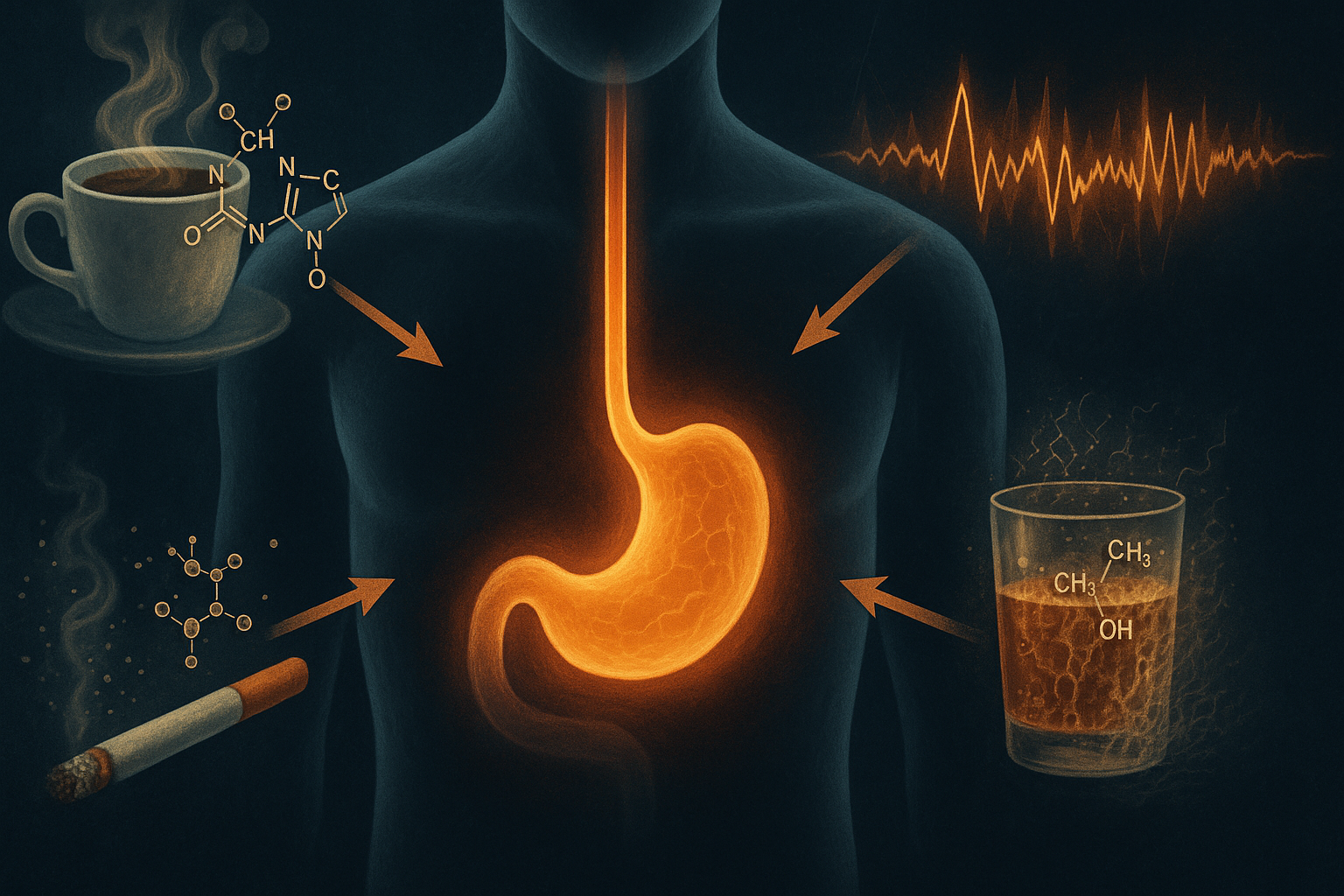
How else does one get heartburn?
When it comes to heartburn, there are 2 things that are out of your control when it comes to developing this condition: Genetics – about 30% of GERD cases are caused by genetic anomalies such as weakness in the lower esophageal sphincter which can lead to a hiatal…
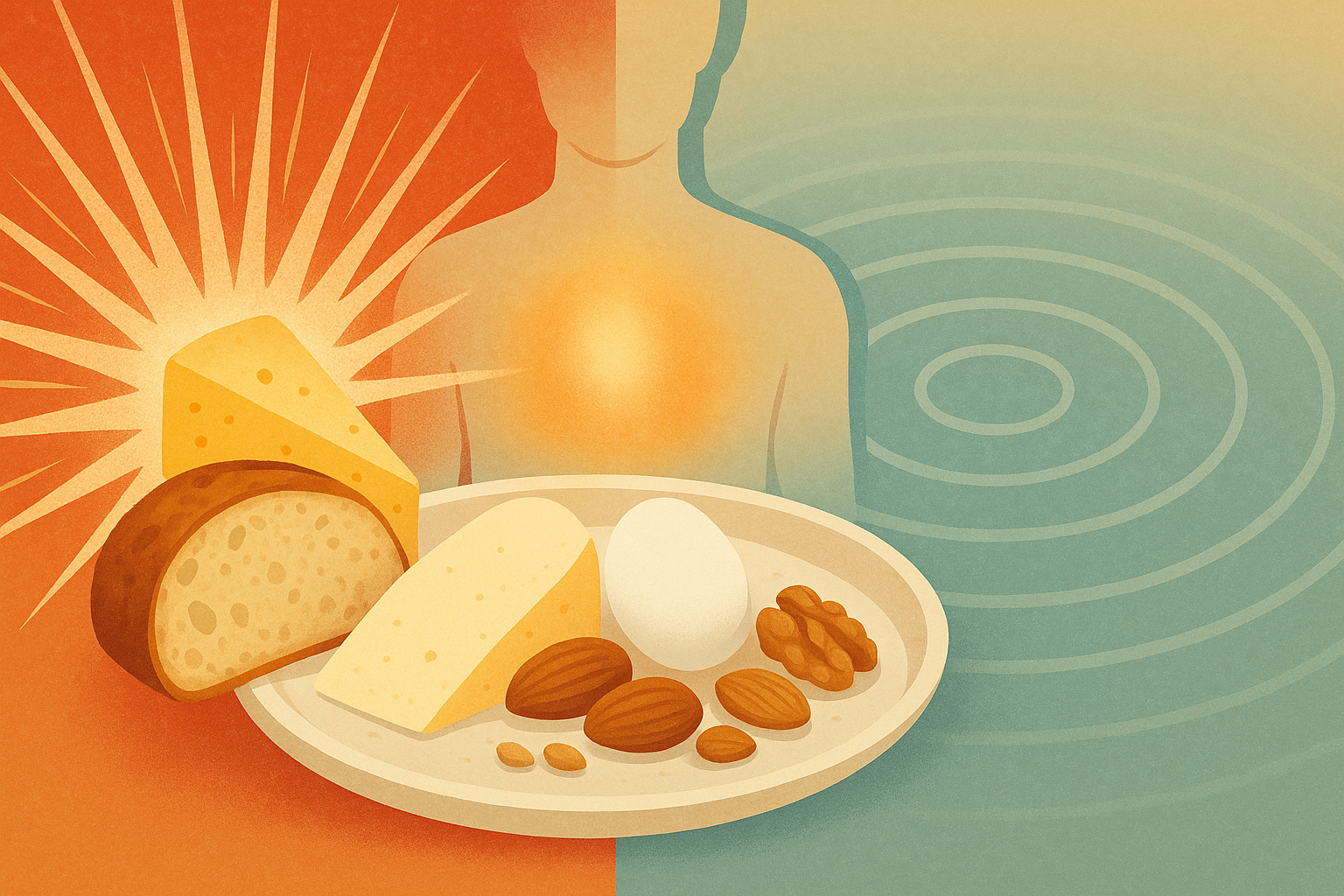
Food allergies vs Food sensitivities
This is a very important concept that you need to understand, and if you have heartburn, could change your life. A food allergy triggers your immune system. In fact, to be more specific, it triggers a certain section of the immune system called IgE. A peanut allergy…
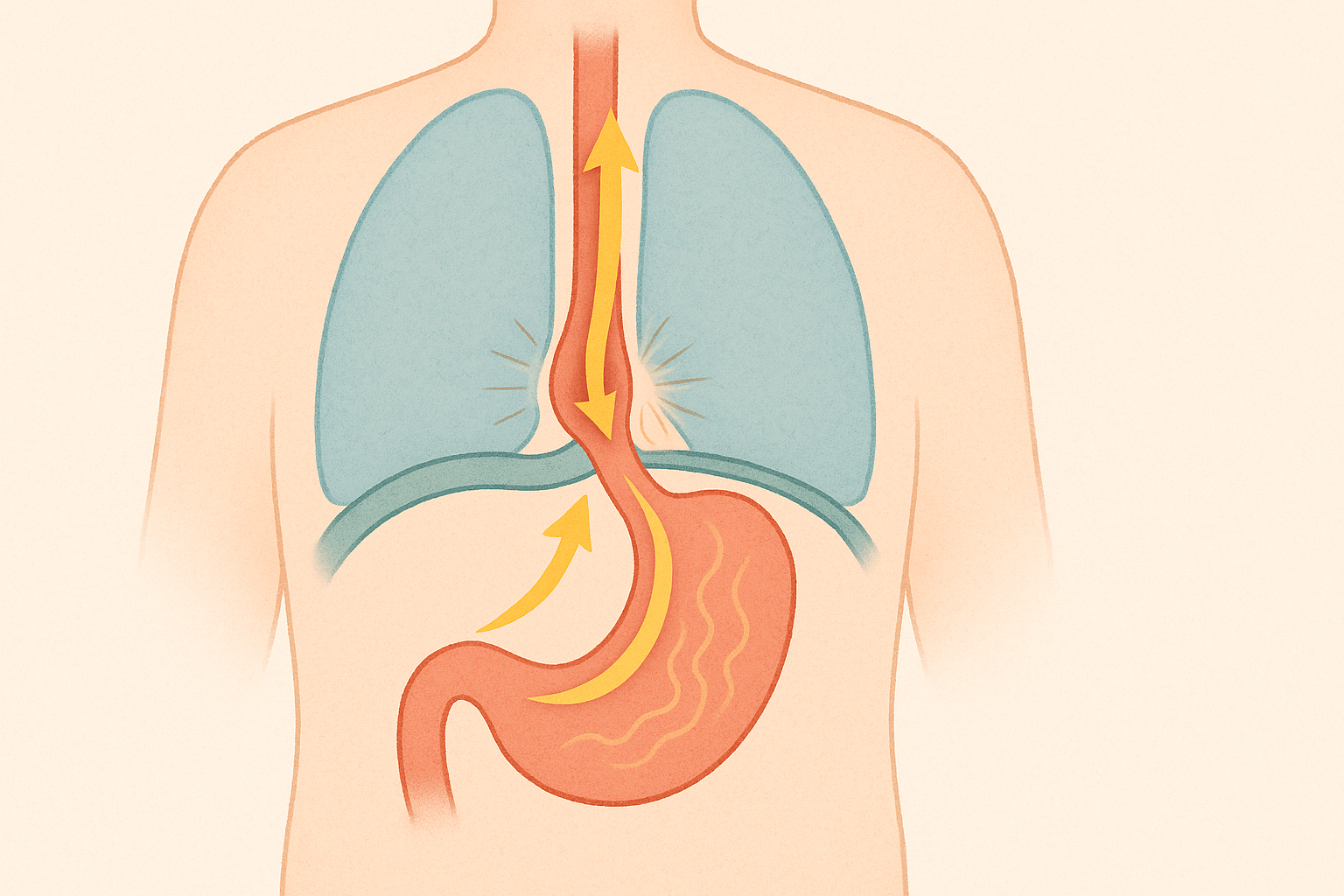
Do I have a hiatal hernia and is it contributing to my heartburn?
In the H pylori section, we talked about the effects of gas/pressure building up in the stomach when your stomach acids are decreased. H pylori can cause this. Stress can cause this. Food allergies/sensitivities can cause this. Nicotine can…
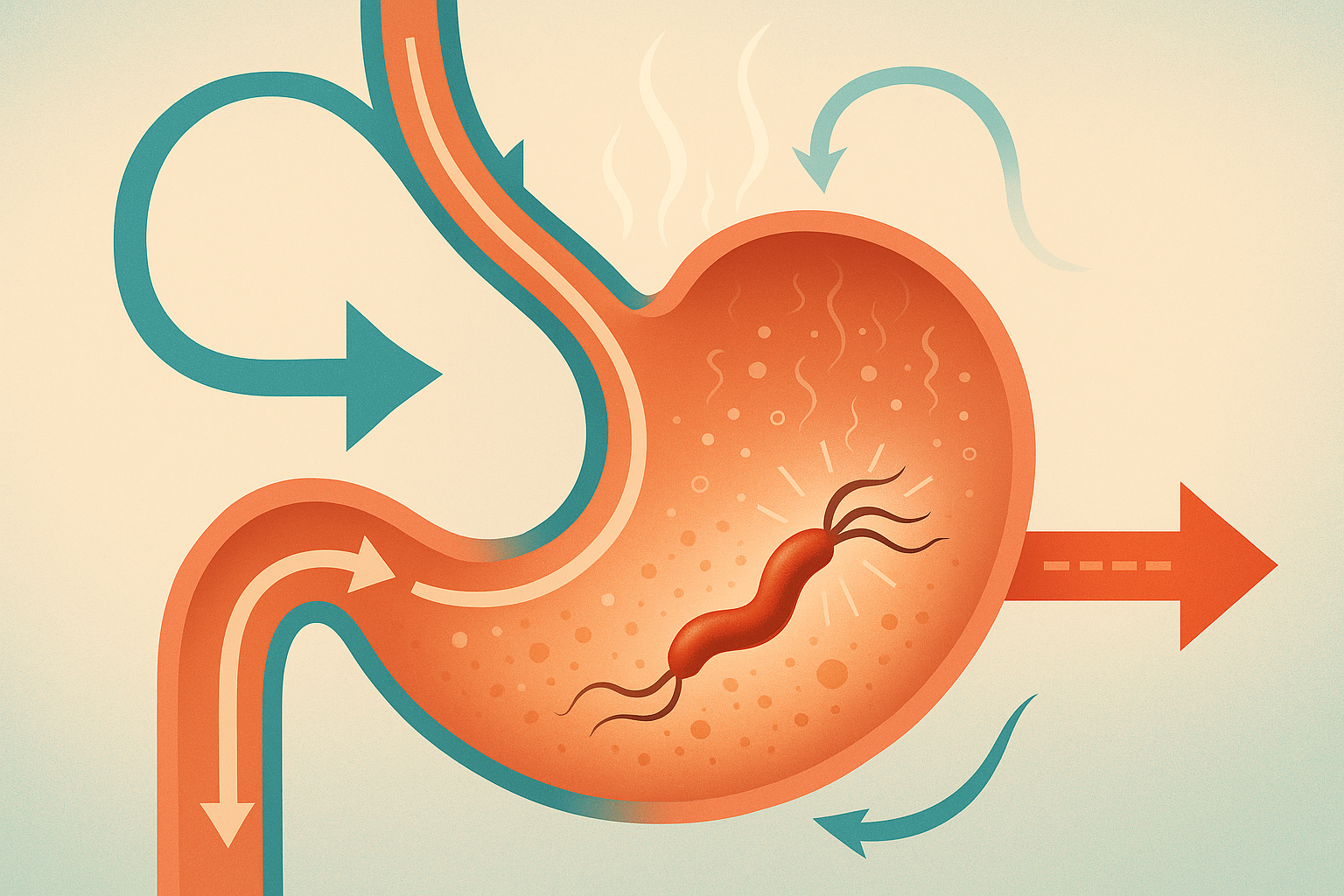
Is H pylori causing my heartburn?
Helicobacter pylori. Heard of it? Most people haven’t. It is a bacteria – but not just any bacteria. It’s probably 1 of the top 3 most damaging bacteria that humans have to deal with here in the U.S. It is widespread and it is complicit in a high percentage of…
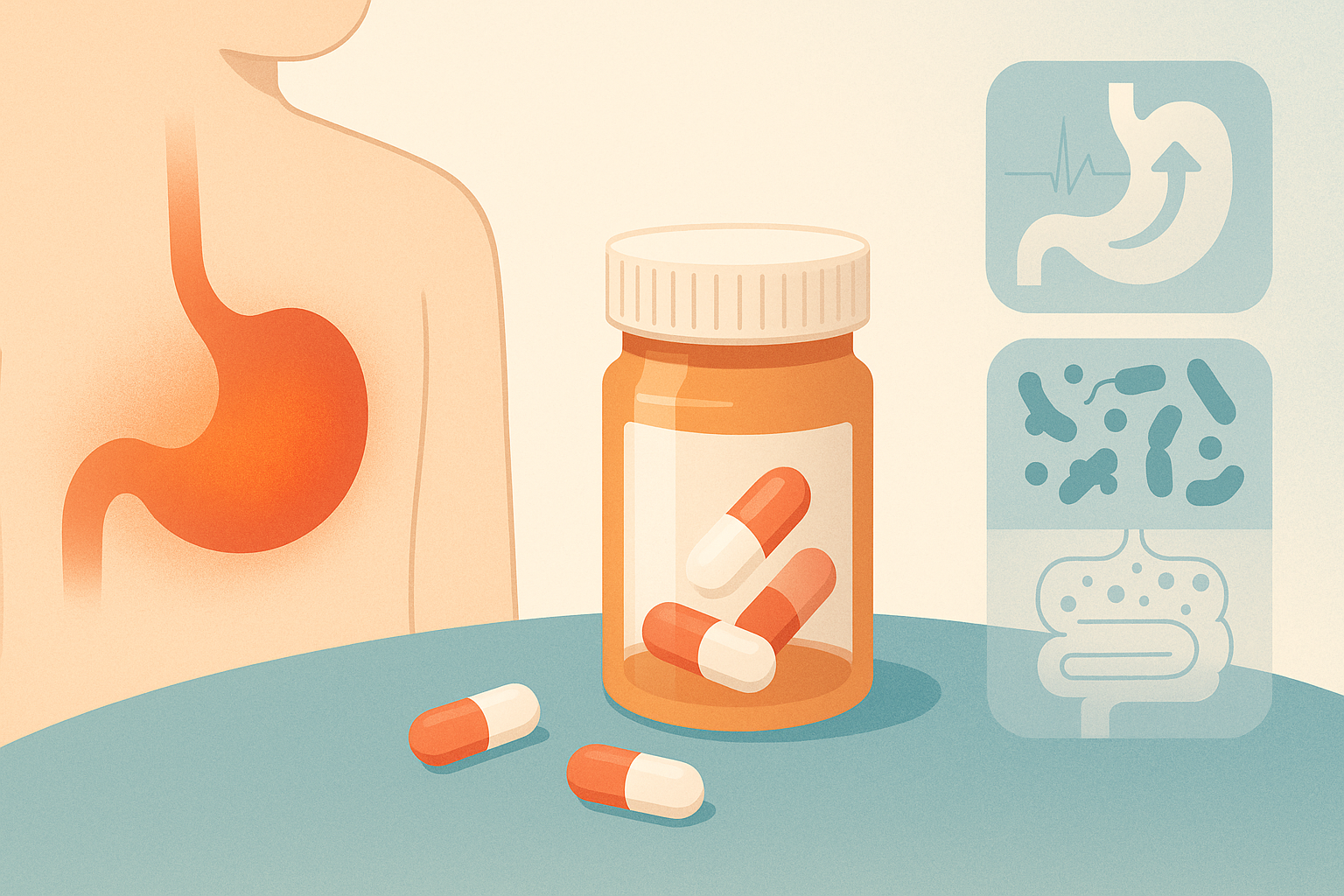
What are the side effects / dangers of PPIs?
Let’s actually answer this question with some Q+A, starting with this question: Q: What are PPIs and what are they used for? A: PPI stands for Proton Pump Inhibitor. The purpose of these medications is to reduce the release of stomach acids. And there are varying…
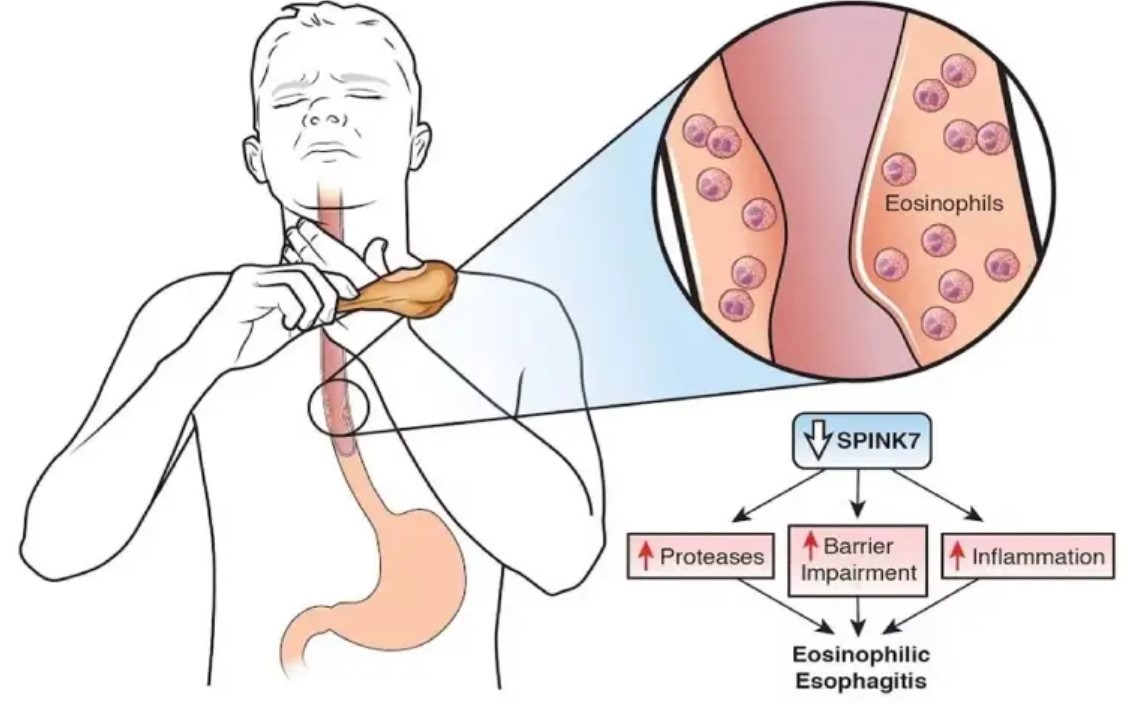
What is EOE?
Before we begin to discuss EOE (eosinophilic esophagitis), let’s talk about the immune system and how it works. Most of us have a basic understanding of how our immune system works: If our body is exposed to an infective organism, parts of our immune system will…
New patient guides
PPI Withdrawal & Rebound: Questions Before Reducing Medication
Reflux symptoms can temporarily return after stopping a long-term proton pump inhibitor. That possibility is a reason to make a plan with your prescriber, not proof that the medicine caused permanent damage or that everyone should stop. First establish why it was prescribed and whether the indication still applies.
Low Stomach Acid & Heartburn: Why Symptoms Are Not a Diagnosis
Low stomach acid and reflux are not interchangeable diagnoses. Hypochlorhydria means reduced stomach acid, while reflux describes stomach contents moving into the esophagus. Burning, bloating, or response to a remedy cannot by themselves tell you how much acid your stomach produces. Review persistent symptoms with a clinician before trying to increase acidity.
Heartburn Diet Guide: A Practical Way to Discuss Food & Reflux
There is no single meal plan that fits every person with heartburn. A useful starting point is to notice your own pattern, consider meal timing, and discuss manageable changes with your clinician. Keep the distinction between a reflux trigger, an allergy, and a laboratory result clear; they are not the same thing.
Stress & Heartburn: Making Sense of the Pattern
Stress and heartburn may appear together, but that pattern does not prove that stress is the only cause or that an adrenal panel will explain the symptoms. Keep medical evaluation in place while discussing meals, sleep, daily routines, and the way symptoms affect you. The aim is a practical care plan, not blame.